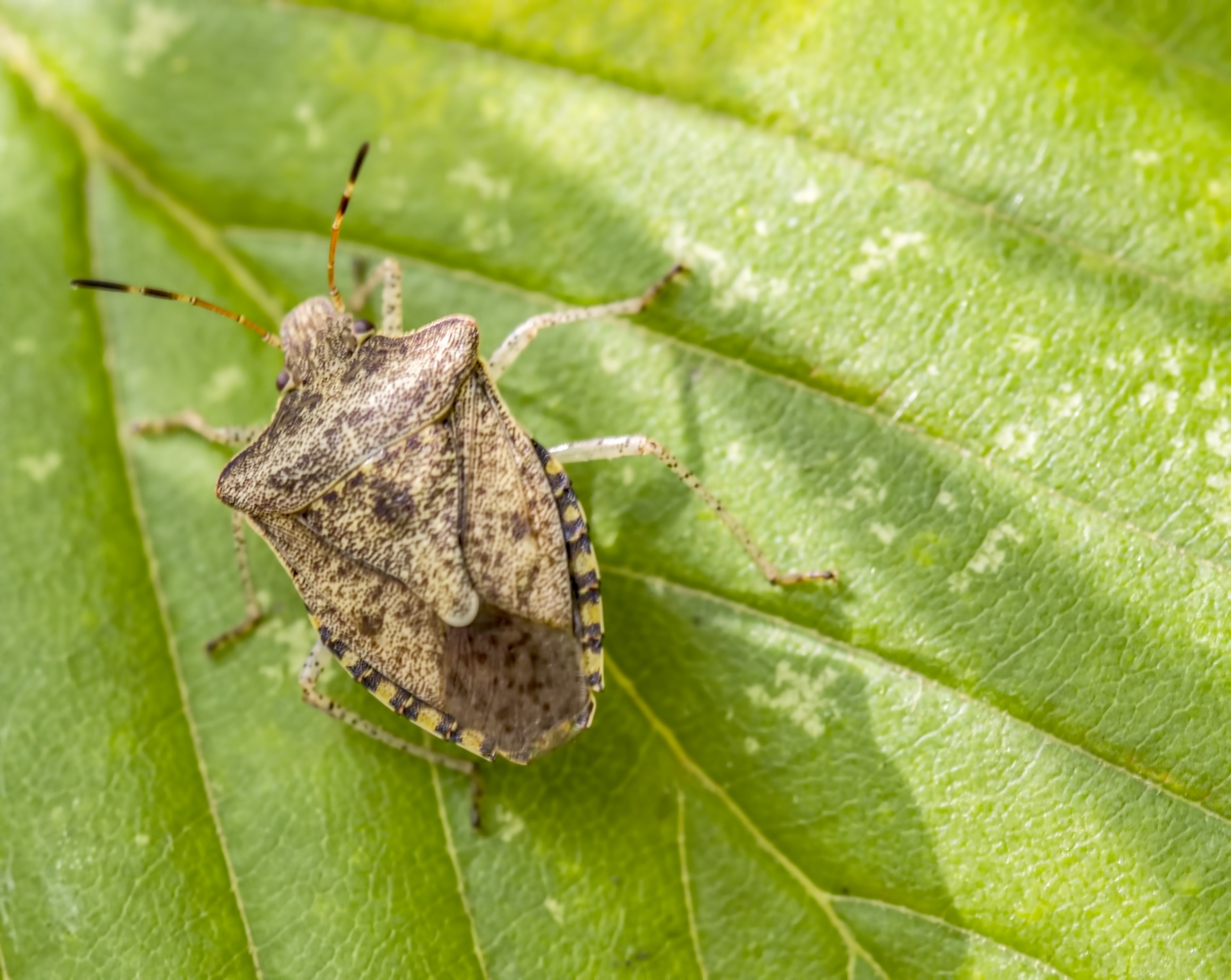
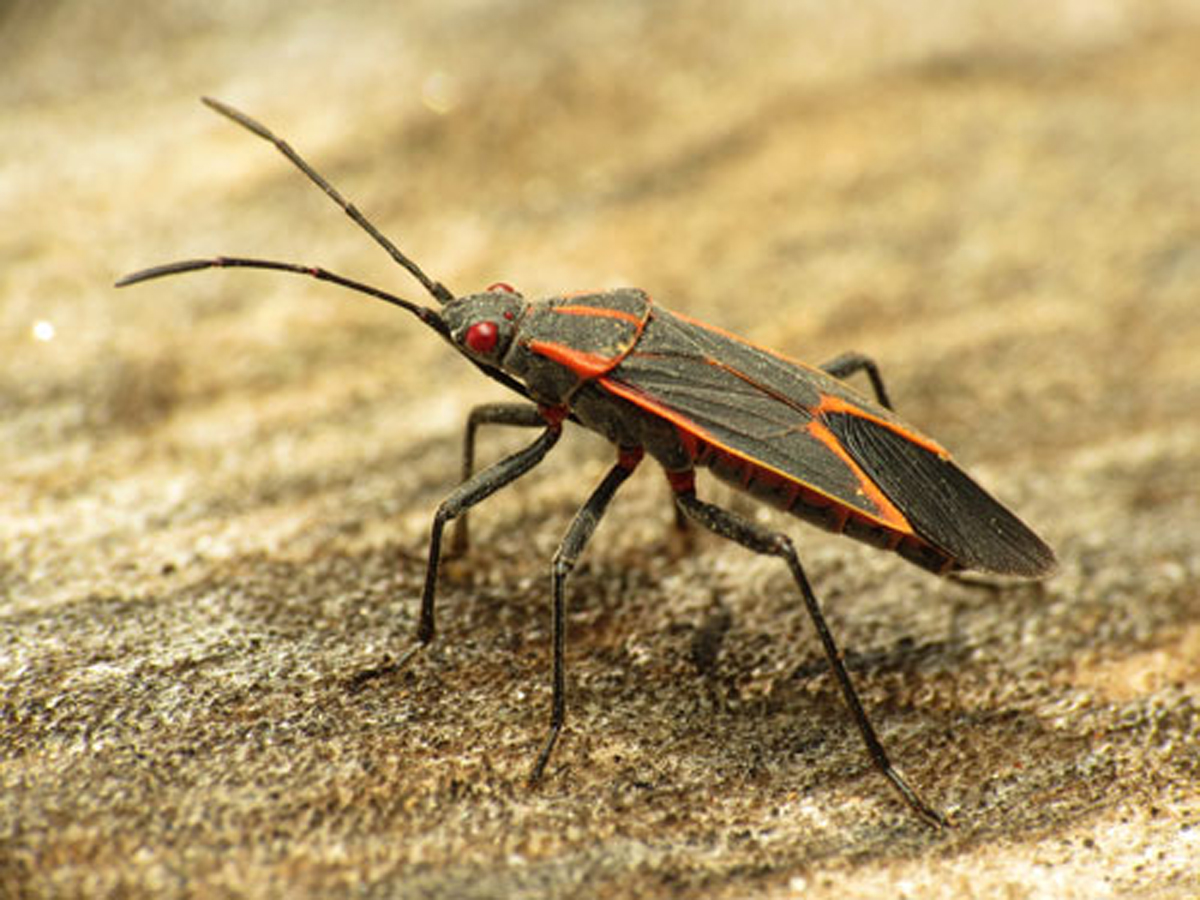
The world of fashion is a vibrant tapestry, constantly drawing inspiration from diverse sources. Among the most unexpected and utterly captivating is the realm of bug catalog fashion design. Far from being a niche curiosity, this burgeoning trend is revolutionizing how designers perceive color, texture, and form, leading to truly astonishing creations that celebrate the intricate beauty of the insect kingdom. Prepare to be amazed as we explore this fascinating intersection of nature and haute couture.
The Unexpected Muse: Why Bugs are Stepping Onto the Catwalk
For centuries, designers have looked to flora, fauna, and historical eras for their creative sparks. However, the humble insect, often overlooked or even feared, is now taking center stage. This isn’t about creating costumes that are literally made of insects (though there have been avant-garde interpretations!), but rather about translating the breathtaking aesthetics found in beetles, butterflies, dragonflies, and even ants into wearable art.
The appeal lies in the sheer diversity and complexity of insect exoskeletons and wings. Think of the iridescent sheen of a scarab beetle, the delicate transparency of a dragonfly’s wings, the intricate patterns on a moth’s abdomen, or the vibrant hues of a tropical butterfly. These natural marvels offer a palette and textural playground that even the most imaginative human designer would struggle to invent.
Unveiling the Secrets of Insect Aesthetics
What exactly makes bug catalog fashion design so compelling? It’s a multifaceted fascination:
-
Color Chromatography: The way light interacts with the microscopic structures of insect exoskeletons creates iridescent, metallic, and opalescent effects that are almost impossible to replicate with synthetic dyes. Designers are studying these natural phenomena to develop innovative dyeing techniques and material treatments that capture this vibrant luminescence. Think shimmering silks that shift color with every movement, or metallic finishes that mimic the hard-shelled gleam of a jewel beetle.
-
Textural Temptations: From the velvety fuzz of a bumblebee to the segmented armor of an ant, insects offer an incredible range of textures. Bug catalog fashion design leverages this by incorporating materials that evoke these tactile experiences. This can range from plush velvets and faux furs that mimic insect hairs to intricate laser-cut patterns that replicate the tessellations of an exoskeleton. Embossing, quilting, and even 3D printing are being employed to create surface details that mirror the complex topography of insect bodies.
-
Structural Ingenuity: The engineering marvels of insect anatomy are a constant source of inspiration. The delicate yet strong wings of a butterfly, the protective shell of a ladybug, or the segmented bodies of many insects offer architectural blueprints for garment construction. Designers are exploring how to create lightweight yet structured garments, experimenting with pleating techniques, origami-inspired folds, and even biomimicry in silhouette to echo the natural forms of insects.
-
Pattern Play: The patterns found on insect wings and bodies are nothing short of artistic masterpieces. From the symmetrical symmetry of a butterfly’s wings to the intricate speckles and stripes of a moth, these natural designs are being translated into prints, embroidery, and appliqué. Imagine a gown adorned with the detailed markings of a monarch butterfly, or a jacket featuring the bold, graphic patterns of a tiger swallowtail.
From the Microscope to the Mannequin: The Process of Bug-Inspired Design
Translating the intricate beauty of insects into fashion is a meticulous and often collaborative process. It’s not simply about slapping an insect image onto a t-shirt. Instead, it involves deep research, artistic interpretation, and advanced craftsmanship.
Research and Observation: The Foundation of Inspiration
The journey often begins with extensive research. Designers immerse themselves in entomological texts, visit natural history museums, and even observe insects in their natural habitats. This is where the bug catalog fashion design really takes flight. They meticulously study:
- Species Identification: Understanding the specific characteristics of different insect species is crucial. Is it the emerald green of a jewel beetle or the sapphire blue of a morpho butterfly that sparks the idea?
- Anatomical Studies: Detailed examination of insect anatomy – from the compound eyes to the delicate antennae – provides blueprints for form and detail.
- Color Analysis: Identifying the specific wavelengths of light responsible for iridescence and other color phenomena is key to achieving authentic replication.
- Behavioral Insights: Sometimes, the way an insect moves or interacts with its environment can inspire the drape and flow of a garment.
Sketching and Prototyping: Bringing Visions to Life
Once inspiration is gathered, the creative process shifts to sketching and prototyping. This is where designers begin to translate their observations into tangible designs.
- Silhouette Exploration: How can the wing shape of a cicada be translated into the voluminous sleeves of a dress? Can the segmented body of an ant inform the construction of a tailored jacket?
- Material Selection: Choosing fabrics that can mimic the sheen, texture, and drape of insect elements is paramount. Think silks, satins, organzas, metallic leathers, and even innovative biodegradable materials.
- Color Palette Development: Designers meticulously create color palettes that capture the exact hues and tonal variations of their insect muses. This might involve custom dyeing processes or the use of iridescent threads and embellishments.
- Embellishment Techniques: Embroidery, beadwork, sequins, laser cutting, and even 3D printing are employed to replicate the intricate patterns, textures, and structural details of insects.
Craftsmanship and Innovation: The Art of Execution
The final stage is the execution of the design, which often requires exceptional craftsmanship and a willingness to embrace new technologies.
- Precision Tailoring: Creating garments that echo the precise lines and forms of insect anatomy demands meticulous tailoring and construction.
- Dyeing and Finishing: Achieving the ethereal iridescence of insect wings might involve advanced dyeing techniques like electroplating or the use of micro-prismatic fabrics.
- Sustainable Practices: Increasingly, designers are looking for sustainable ways to incorporate bug-inspired elements, using recycled materials, natural dyes, and eco-friendly production methods.
Beyond the Runway: The Broader Impact of Bug Catalog Fashion Design
The influence of bug catalog fashion design extends far beyond the haute couture runways. Its principles are trickling down into ready-to-wear collections, accessories, and even interior design.
Sustainable Style and a New Appreciation for Nature
One of the most positive aspects of this trend is its potential to foster a deeper appreciation for the natural world and promote sustainability.
- Biomimicry in Design: By studying the efficiency and elegance of insect structures, designers are developing more functional and resource-efficient ways to create garments.
- Education Through Fashion: The visibility of bug-inspired fashion can educate the public about the beauty and importance of insects, encouraging conservation efforts.
- Ethical Sourcing: As the trend grows, there’s a greater emphasis on ethical sourcing of materials and minimizing environmental impact, aligning with the natural inspiration.
A Celebration of Diversity and Individuality
The bug catalog fashion design movement champions diversity and individuality, mirroring the vast array of forms and colors found in the insect world.
- Unique Silhouettes: The unconventional shapes and structures inspired by insects lead to truly unique and statement-making garments.
- Bold Color Statements: The vibrant and often unexpected color combinations found in insects encourage wearers to embrace bolder fashion choices.
- Expressing Personal Style: For those who connect with the natural world, bug-inspired fashion offers a powerful way to express their personality and values.
The Future is Buzzing: What’s Next for Bug Catalog Fashion Design?
The journey of bug catalog fashion design is still unfolding, and its future promises even more exciting innovations.
- Technological Advancements: Expect to see more use of 3D printing, advanced material science, and augmented reality to create even more lifelike and dynamic insect-inspired fashion.
- Cross-Disciplinary Collaborations: We may see more collaborations between fashion designers, entomologists, biologists, and material scientists to push the boundaries of what’s possible.
- Increased Accessibility: As the trend matures, we can anticipate seeing more accessible and commercially viable bug-inspired collections, bringing this unique aesthetic to a wider audience.
Frequently Asked Questions about Bug Catalog Fashion Design
Q1: Is bug catalog fashion design about wearing actual insects?
A1: No, typically bug catalog fashion design is about drawing inspiration from the colors, textures, patterns, and structures of insects to create clothing and accessories. It’s about translating their natural beauty into wearable art, not using actual insects in the garments themselves (though some avant-garde artists might explore that).
Q2: What are some common insects that inspire fashion designers?
A2: Butterflies, moths, beetles (like scarab beetles and jewel beetles), dragonflies, and even ants are common sources of inspiration due to their vibrant colors, iridescent sheens, intricate patterns, and unique exoskeletal structures.
Q3: How do designers achieve the iridescent effects seen in bug catalog fashion design?
A3: Designers achieve iridescent effects through various methods, including advanced dyeing techniques that mimic structural coloration, the use of metallic threads and fabrics, specialized finishes, and sometimes even micro-prismatic materials that refract light.
Q4: Is bug catalog fashion design a sustainable trend?
A4: It can be. Many designers embracing this trend are also focusing on sustainable practices, using eco-friendly materials, natural dyes, and ethical production methods. The principles of biomimicry, often inherent in this design style, can also lead to more efficient and resource-conscious garment creation.
Q5: Where can I find bug catalog fashion design pieces?
A5: You can find bug catalog fashion design in high-end designer collections, at fashion weeks, in independent boutiques specializing in avant-garde or nature-inspired fashion, and increasingly in more accessible ready-to-wear lines as the trend gains popularity. Online platforms and specialized fashion retailers are also good places to look.
Conclusion: A Testament to Nature’s Unparalleled Artistry
The emergence of bug catalog fashion design is a powerful testament to the boundless creativity found in the natural world. It’s a trend that is not only visually stunning but also encourages us to look closer at the often-overlooked wonders around us. From the shimmering wings of a butterfly to the armored elegance of a beetle, these tiny creatures are proving to be the ultimate muses, inspiring a new era of fashion that is both breathtaking and thought-provoking.
What are your thoughts on bug catalog fashion design? Have you seen any particularly striking examples? Share your favorite insect-inspired fashion moments in the comments below, and let’s celebrate the incredible artistry that nature has to offer!