
The world of fashion accessories and imitation jewelry is a vibrant and ever-evolving marketplace, offering dazzling pieces that capture the latest trends and individual styles. For entrepreneurs and businesses looking to tap into this global demand, understanding the intricacies of international trade is paramount. One crucial aspect that can significantly impact your import and export processes, as well as your bottom line, is the fashion accessories imitation jewelry HS code. Mastering this code is a powerful key to unlocking seamless global sales and avoiding costly delays or penalties.
This comprehensive guide will delve deep into the Harmonized System (HS) codes specifically relevant to fashion accessories and imitation jewelry. We’ll explore why these codes are essential, how to identify the correct ones for your products, and the benefits of accurate classification. Whether you’re a seasoned exporter or just starting your entrepreneurial journey, this information will equip you with the knowledge to navigate the international trade landscape with confidence.
Understanding the Harmonized System (HS) Code: The Universal Language of Trade
Before we dive into the specifics of imitation jewelry, it’s vital to grasp the fundamental role of the HS code. The Harmonized System, developed and maintained by the World Customs Organization (WCO), is an internationally standardized system of names and numbers to classify traded products. Think of it as a universal language that all customs authorities worldwide understand.
Why are HS Codes So Important?
- Customs Clearance: The primary function of HS codes is to facilitate customs clearance. They help customs officials identify the nature of imported or exported goods, allowing them to determine applicable duties, taxes, and regulations.
- Tariff Determination: Each HS code is associated with specific tariff rates. Accurate classification ensures you pay the correct amount of import duties and taxes, preventing overpayment or underpayment.
- Trade Statistics: HS codes are used to collect and analyze international trade statistics, providing valuable insights into global trade patterns and economic trends.
- Trade Agreements and Regulations: Many international trade agreements, quotas, and import/export restrictions are based on HS codes. Correct classification ensures compliance with these rules.
- Product Sourcing and Market Research: Understanding HS codes can help you identify potential markets for your products and research the competitive landscape.
The Structure of an HS Code:
An HS code typically consists of six digits. However, many countries extend this to eight or ten digits for more granular classification. The first six digits are internationally standardized, while the subsequent digits are country-specific.
- Chapters (2 digits): Broad categories of goods (e.g., Chapter 71: Natural or Cultured Pearls, Precious or Semi-Precious Stones; Imitation Jewelry; Coin).
- Headings (4 digits): More specific classifications within a chapter (e.g., 7117: Imitation jewelry).
- Subheadings (6 digits): Further breakdown of headings, often indicating materials or specific types of articles (e.g., 7117.1: Imitation jewelry of base metal, whether or not plated with precious metal).
Unpacking the Fashion Accessories Imitation Jewelry HS Code: Where Does Your Product Fit?
The world of fashion accessories imitation jewelry is diverse, encompassing everything from dazzling costume necklaces and sparkling earrings to stylish bracelets, rings, and even hair accessories. Accurately classifying these items under the correct fashion accessories imitation jewelry HS code is crucial for smooth international transactions.
The most prominent HS code that encompasses imitation jewelry is 7117. This heading covers "Imitation jewelry." However, the journey doesn’t end there. To ensure precise classification, we need to delve into the subheadings of 7117.
Key Subheadings Under HS Code 7117 for Fashion Accessories Imitation Jewelry:
-
7117.10: Imitation jewelry of base metal, whether or not plated with precious metal
This is a very common category for a wide range of imitation jewelry. If your fashion accessory is primarily made from base metals like brass, copper, zinc alloys, aluminum, or even iron, and it’s either plated with precious metals (like gold or silver plating) or not plated at all, it will likely fall under this subheading. This includes many trendy necklaces, bracelets, earrings, and rings that offer the look of fine jewelry without the cost. -
7117.90: Other imitation jewelry
This subheading acts as a catch-all for imitation jewelry not specifically covered by the "base metal" category. This can include items made from:- Plastics: Many fashion-forward earrings, bracelets, and hair accessories are crafted from various types of plastics. If the primary material is plastic, this subheading is likely applicable.
- Glass: Beads, rhinestones, and other decorative elements made of glass are common in imitation jewelry.
- Textiles: Fabric-based jewelry, such as woven bracelets or fabric-covered earrings, would typically fall here.
- Wood or Shell: While less common for mass-produced imitation jewelry, items made from these natural materials would also be classified under this subheading.
- Combinations of Materials: If your imitation jewelry is made from a combination of materials where none is predominantly base metal, it will fall into this "other" category.
Important Considerations for Accurate Classification:
- Material Composition: The dominant material of your imitation jewelry is the most critical factor in determining the correct HS code. Carefully analyze the primary components.
- Plating: Even if your imitation jewelry is made of base metal, if it’s plated with precious metals like gold, silver, or platinum, it’s still classified under 7117.10. The key is that it’s imitation jewelry, not actual precious metal jewelry.
- Functionality: The HS code 7117 specifically applies to items designed for personal adornment. Items that have a primary functional purpose (e.g., a tool disguised as jewelry) would be classified differently.
- Value: While the HS code itself doesn’t directly depend on value, the declared value is essential for calculating duties and taxes.
- Country-Specific Subheadings: Remember that countries can have more detailed subheadings beyond the six-digit international standard. It’s always advisable to check the specific tariff schedule of the importing country.
Beyond 7117: Related HS Codes for Fashion Accessories
While HS code 7117 is the primary Women white denim jacket your ultimate guide to effortless chic classification for imitation jewelry, other HS codes might be relevant for broader categories of fashion accessories that aren’t strictly "imitation jewelry" but are often sold alongside them.
-
Chapter 61 & 62: Articles of Apparel and Clothing Accessories (Textile-Based)
If your fashion accessory is primarily textile-based and considered an article of apparel or a clothing accessory (e.g., scarves, gloves, belts made of fabric), these chapters would be more appropriate. For instance, 6117 covers "Other made up clothing accessories, knitted or crocheted" and 6217 covers "Other made up clothing accessories, not knitted or crocheted." -
Chapter 39: Plastics and Articles thereof
For fashion accessories made predominantly from plastic that are not explicitly imitation jewelry (e.g., plastic hair clips, decorative plastic hairbands), Chapter 39 might be relevant. For example, 3926.90 covers "Other articles of plastics and articles of other materials of headings 3901 to 3914." -
Chapter 42: Leather; Saddlery and Harness; Travel Goods, Handbags and similar containers; Articles of animal gut (other than silk-worm gut)
Leather belts, wallets, and certain types of handbags would fall under this chapter. -
Chapter 69 & 70: Ceramic Products and Glass and Glassware
While imitation jewelry often uses glass elements, if the primary article is made of ceramic or glass (e.g., decorative glass hairpins), these chapters might apply.
The Power of Precise Fashion Accessories Imitation Jewelry HS Code Classification:
Choosing the correct fashion accessories imitation jewelry HS code is not just about ticking a box; it’s about strategic trade management. Here’s why getting it right is a game-changer:
- Avoid Costly Fines and Penalties: Incorrectly declared goods can lead to significant fines, delays, and even seizure of your shipments. A precise HS code protects you from these costly mistakes.
- Streamlined Customs Processes: Accurate classification speeds up customs clearance, ensuring your products reach their destination quickly and efficiently. This is especially vital in the fast-paced fashion industry.
- Optimized Duty and Tax Payments: Paying the correct amount of duties and taxes is crucial for profitability. Overpaying eats into your margins, while underpaying can lead to back taxes and penalties.
- Access to Preferential Trade Agreements: Many trade agreements offer reduced or eliminated tariffs on goods traded between signatory countries. Correct HS code classification is often a prerequisite for availing these benefits.
- Enhanced Supply Chain Visibility: When your HS codes are accurate, you gain better visibility into your supply chain, allowing for more effective inventory management and forecasting.
- Builds Trust and Credibility: Consistently accurate declarations build trust with customs authorities and business partners, establishing your reputation as a reliable global trader.
Navigating the Global Marketplace: Tips for Exporters
For businesses looking to export their fashion accessories imitation jewelry HS code compliant products, here are some essential tips:
- Thorough Product Analysis: Before you even think about HS codes, understand your product inside and out. What is its primary material? What is its intended use? What are its decorative elements?
- Consult Official Tariff Schedules: The most reliable source for HS codes is the official tariff schedule of the importing country. These are usually available on the customs authority’s website.
- Utilize Online HS Code Finders: Many government agencies and private companies offer online HS code lookup tools. While helpful, always cross-reference with official sources.
- Engage with Customs Brokers and Freight Forwarders: These professionals have extensive experience with HS codes and customs regulations. They can provide invaluable assistance in ensuring correct classification.
- Stay Updated: HS codes are periodically updated. Make sure you are using the most current versions.
- Document Everything: Keep detailed records of your product specifications, material composition, and the HS codes you have assigned. This documentation is crucial in case of any customs inquiries.
- Consider the "End Use" and "Function": While imitation jewelry primarily falls under 7117, if an item has a dual purpose or is a component of a larger assembly, the classification might change. For example, a decorative brooch that is primarily used to fasten a garment might be classified differently than a brooch solely for adornment.
The Festive Spirit of Global Fashion: Bringing Joy Worldwide
The beauty of fashion accessories and imitation jewelry lies in their ability to empower individuals, express personal style, and add a touch of sparkle to everyday life. As businesses, our role is to bring this joy to customers across the globe. By diligently understanding and applying the correct fashion accessories imitation jewelry HS code, we can ensure that these delightful products move seamlessly across borders, enriching wardrobes and spreading happiness. This attention to detail in trade compliance is not just a regulatory necessity; it’s a celebration of global connection and the shared appreciation for creativity and style.
Frequently Asked Questions (FAQ) about Fashion Accessories Imitation Jewelry HS Code
Q1: What is the main HS code for imitation jewelry?
A1: The main HS code for imitation jewelry is 7117.
Q2: How do I determine if my imitation jewelry falls under 7117.10 or 7117.90?
A2: If your imitation jewelry is primarily made of base metal (even if plated with precious metal), it falls under 7117.10. If it’s made from other materials like plastic, glass, textiles, or wood, it falls under 7117.90.
Q3: What if my fashion accessory is made of mixed materials?
A3: For mixed materials, you generally classify the item based on its predominant material by weight or value, or by its essential character. If base metal is the predominant material, it’s likely 7117.10. Otherwise, it would likely fall under 7117.90.
Q4: Are hair accessories considered imitation jewelry under HS code 7117?
A4: Yes, decorative hair accessories that are designed for personal adornment and are made of materials covered by HS code 7117 (base metal, plastic, glass, etc.) would typically be classified under 7117.90 (if not base metal) or 7117.10 (if base metal).
Q5: What are the consequences of using the wrong fashion accessories imitation jewelry HS code?
A5: Using the wrong HS code can lead to significant issues, including customs delays, incorrect duty and tax assessments, fines, penalties, and even seizure of goods.
Q6: Should I consult a customs broker for HS code classification?
A6: Yes, consulting a customs broker or freight forwarder is highly recommended, especially for complex shipments or when dealing with international trade for the first time. They possess expert knowledge of customs regulations and HS code classification.
Q7: Do all countries use the same HS code for imitation jewelry?
A7: The first six digits of the HS code are internationally standardized. However, countries may use additional digits for more specific classification within their national tariff schedules. It’s crucial to verify the specific HS code for the destination country.

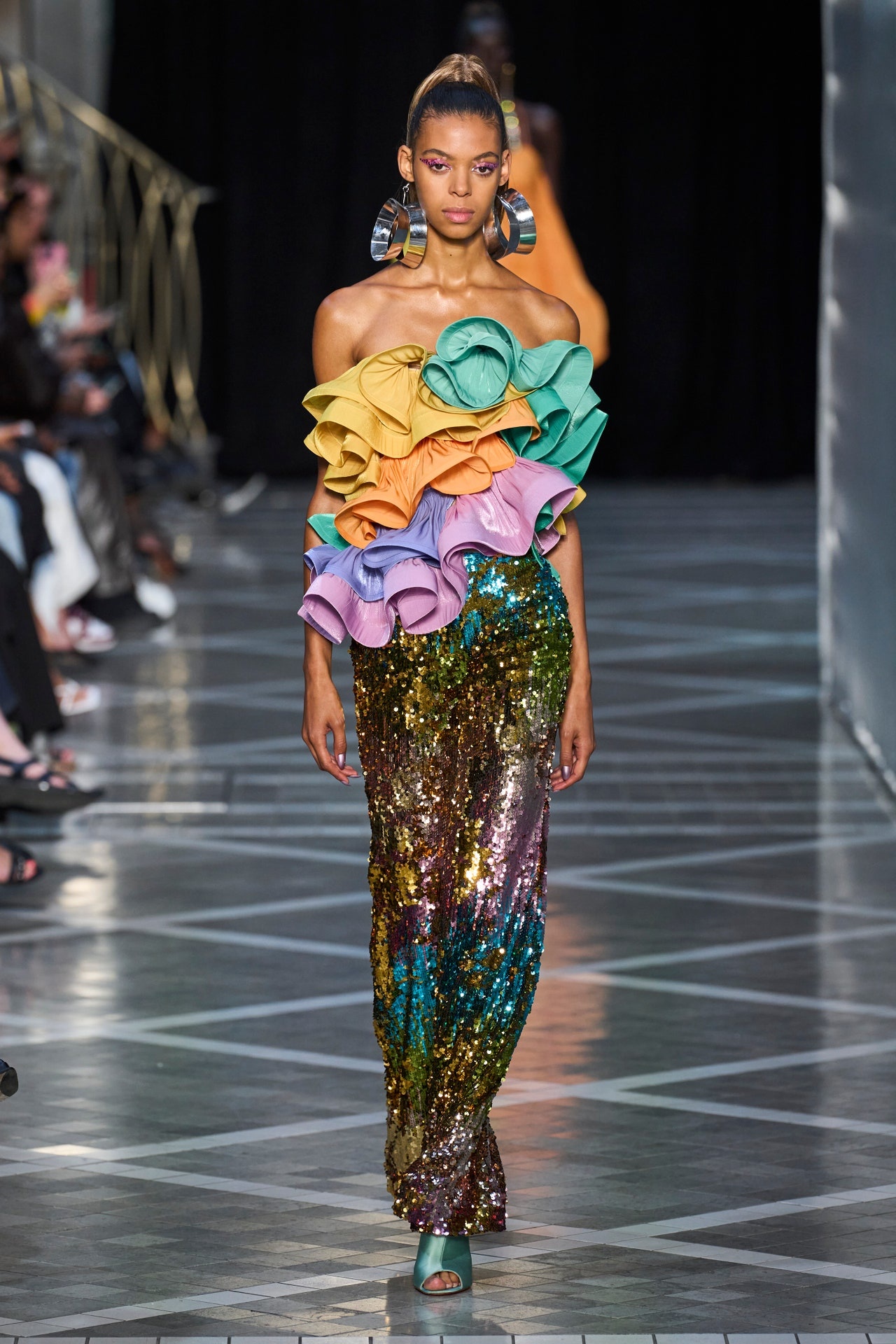
.jpg "Fashion Accessories Imitation Jewelry HS Code: Unlock Your Global Sales!")


:max_bytes(150000):strip_icc()/100522-pfw-fashion-trends-layered-classics-embed-7b3ed2911c49499296a593651a7c566e.jpg "Fashion Accessories Imitation Jewelry HS Code: Unlock Your Global Sales!")
