The world of fashion is a vibrant tapestry, and for women, accessories are the dazzling threads that weave it all together. From the glint of a statement necklace to the practical elegance of a designer handbag, these items aren’t just adornments; they’re expressions of personality, confidence, and flair. But for businesses venturing into the global marketplace, understanding the intricate world of HS codes for female accessories can feel like navigating a beautifully adorned maze. Fear not, fashion trailblazers! This comprehensive guide will illuminate the path, ensuring your stylish exports and imports flow seamlessly across borders, making your international fashion dreams a spectacular reality.
Decoding the World of HS Codes: Your Essential Fashion Compass
The Harmonized System (HS) code is an internationally standardized system of names and numbers to classify traded products. Developed and maintained by the World Customs Organization (WCO), it’s the universal language of international trade. Think of it as a digital passport for every item crossing a border. For HS code for female accessories, this means a specific numerical designation that dictates import duties, taxes, statistical tracking, and regulatory requirements. Getting this code right is paramount. An incorrect HS code for female accessories can lead to significant delays, unexpected costs, fines, and even seizure of your precious cargo. This isn’t just about paperwork; it’s about ensuring your beautiful creations reach their intended destinations efficiently and without a hitch, allowing you to focus on what you do best: creating and curating stunning fashion.
The Glorious Spectrum: Classifying Your Fabulous Female Accessories
The sheer variety of female accessories means they fall under various HS code chapters. The key is to pinpoint the primary material and intended function of the accessory. Let’s embark on a festive exploration of the most common categories where you’ll find your beloved HS code for female accessories:
Chapter 61 & 62: Garments and Clothing Accessories – The Foundation of Fashion
While not exclusively for accessories, these chapters are crucial as many female accessories are considered integral parts of an outfit or are made from textile materials.
Articles of Apparel and Clothing Accessories, Knitted or Crocheted (Chapter 61)
This chapter covers a wide array of knitted or crocheted items. For female accessories, this might include:
- Knitted Scarves, Shawls, Mufflers, Veils, and the Like: These are often classified under HS Code 6117 (Other made up clothing accessories, knitted or crocheted; parts of garments or of clothing accessories, knitted or crocheted). The specific subheadings will depend on the material and construction. For instance, a luxurious cashmere knitted scarf would have a different classification than a cotton-blend infinity scarf.
- Knitted Gloves, Mittens, and Mittens: Found under HS Code 6116 (Gloves, mittens and mitts, knitted or crocheted). Again, material (e.g., wool, synthetic fibers) will refine the HS code.
- Knitted Hats and Other Headgear: Typically classified under HS Code 6105 (Men’s or boys’ shirts, knitted or crocheted) or HS Code 6106 (Women’s or girls’ blouses, shirts and shirt-blouses, knitted or crocheted), but for headwear specifically, you’ll look towards HS Code 6505 (Hats and other headgear, knitted or crocheted, or made up from lace, felt or other textile fabric, in the piece (but not in strips), whether or not lined or trimmed; hair-nets of any material, whether or not lined or trimmed).
Articles of Apparel and Clothing Accessories, Not Knitted or Crocheted (Chapter 62)
This chapter deals with woven textile accessories.
- Woven Scarves, Shawls, Mufflers, Veils, and the Like: Similar to their knitted counterparts, these fall under HS Code 6214 (Other made up clothing accessories, not knitted or crocheted; parts of garments or of clothing accessories, not knitted or crocheted). The material, whether silk, cotton, linen, or synthetic, will dictate the specific subheading.
- Woven Gloves, Mittens, and Mittens: Classified under HS Code 6216 (Gloves, mittens and mitts, not knitted or crocheted).
- Woven Hats and Other Headgear: While some woven headwear might fall under specific garment chapters if it’s part of a set, standalone woven hats are generally found in Chapter 65 as well, specifically HS Code 6504 (Hats and other headgear, plaited by any process or made up from plaiting materials, whether or not made up from strips of any material; hat-forms, flattened or blocked, and hat bodies and hoods and shapes of felt, neither blocked to make hats nor from felt hoods, shapes or flat pieces).
Chapter 71: Natural or Cultured Pearls, Precious or Semi-Precious Stones, Precious Metals, Metals Clad with Precious Metal, and Articles Thereof; Imitation Jewellery; Coin
This chapter is a treasure trove for glittering additions to any ensemble.
- Jewellery: This is a vast category.
- Precious Metal Jewellery: Items made from gold, silver, platinum, or other precious metals, often set with precious or semi-precious stones, will fall under HS Code 7113 (Articles of jewellery and parts thereof, of precious metal or of metal clad with precious metal). The specific subheading will differentiate between jewelry made of gold, silver, platinum, etc., and whether it’s set with precious stones.
- Imitation Jewellery: This is where the sparkle doesn’t require a king’s ransom! Imitation jewellery, often made from base metals, plastics, or glass, is classified under HS Code 7117 (Imitation jewellery). This is a critical distinction, as duties and regulations can differ significantly from genuine jewelry. This includes necklaces, bracelets, earrings, rings, brooches, and hair ornaments made from imitation materials. Understanding the nuances of HS code for female accessories within this section is key for businesses dealing with fashion jewelry.
Chapter 42: Articles of Leather; Saddlery and Harness; Travel Goods, Handbags and Similar Containers; Articles of Animal Gut (Other Than Silkworm Gut)
This is where the iconic handbags and sophisticated wallets find their home.
- Handbags and Purses: These are a cornerstone of female accessory collections. They are typically classified under HS Code 4202 (Trunks, suit-cases, vanity cases, executive-cases, brief-cases, school satchels, spectacle cases, binocular cases, camera cases, musical instrument cases, collapsible suitcases, toilet bags, jewellery boxes, powder-boxes, cutlery cases, and similar containers, of leather or of composition leather, of sheeting of plastic, of textile materials, of vulcanised fibre or of paperboard, or wholly or mainly covered with such materials or paper). The key here is the primary material:
- Leather Handbags: Will fall under subheadings like 4202.21 (Handbags, whether or not with shoulder strap, including those without handle, of leather or of composition leather).
- Synthetic Leather Handbags: Classified under 4202.22 (Handbags, whether or not with shoulder strap, including those without handle, of sheeting of plastic or of textile materials).
- Fabric Handbags: Also fall under 4202.22.
- Wallets and Card Holders: These smaller, yet essential, accessories are also covered under HS Code 4202, with specific subheadings differentiating by material.
Chapter 39: Plastics and Articles Thereof
Many modern and trendy female accessories incorporate plastic components.
- Plastic Hair Accessories: This includes items like hair clips, headbands, and scrunchies made primarily from plastic. They can be classified under various subheadings of HS Code 3923 (Articles for the conveyance or packing of goods, of plastics; stoppers, lids, caps and other closures, of plastics) if they are for packaging, or more broadly under HS Code 3926 (Other articles of plastics and articles of other materials of headings 3901 to 3914) if they are standalone accessories. Specific subheadings will often detail items like "hair-slides, hair-combs and the like."
- Plastic Jewelry Components: While finished imitation jewelry is in Chapter 71, individual plastic components for jewelry making might be classified here.
Chapter 69 & 70: Ceramic Products & Glass and Glassware
For those artisanal and vintage-inspired accessories.
- Ceramic Hair Accessories: Pins, clips, or decorative elements made from ceramic would fall under Chapter 69 (Ceramic products). The specific HS code would depend on the type of ceramic and the item itself, potentially under HS Code 6911 (Tableware, kitchenware, other household articles and toilet articles, of porcelain or china) or HS Code 6912 (Ceramic tableware, kitchenware, other household articles and toilet articles other than of porcelain or china).
- Glass Beads and Components: Beads used in jewelry making, if primarily glass, would be classified under Chapter 70 (Glass and glassware). For example, HS Code 7018 (Glass beads, imitation pearls, imitation precious or semi-precious stones and similar glass smallwares, and articles thereof, other than imitation jewellery; glass eyes other than prosthetic articles; statuettes and other ornaments of glass, and other articles of a kind used for ornamenting interion).
Chapter 96: Miscellaneous Manufactured Articles
This chapter is a catch-all for items that don’t fit neatly elsewhere.
- Umbrellas and Sunshades: While not always considered "fashion accessories" in the strictest sense, they are essential stylish companions. These are classified under HS Code 6601 (Umbrellas and sun umbrellas (including walking-stick umbrellas, garden umbrellas and similar umbrellas)).
- Fans: Hand fans, often decorative and made from various materials, can also be found here, with specific subheadings for different materials.
Navigating the Nuances: Essential Tips for Choosing the Right HS Code for Female Accessories
The world of HS codes can seem daunting, but with a strategic approach, you can master it. Here are some expert tips to ensure you select the correct HS code for female accessories:
- Prioritize the Primary Material: The most crucial factor in determining the HS code is the primary material from which the accessory is made. Is it leather, plastic, textile, precious metal, or something else?
- Consider the Function and Form: What is the intended use of the accessory? Is it a handbag, jewelry, a hair ornament, or a scarf? The form and function are key identifiers.
- Consult the Official WCO Nomenclature: The World Customs Organization provides the official HS nomenclature. This is your ultimate reference guide.
- Leverage Customs Broker Expertise: For complex shipments or when in doubt, a licensed customs broker is an invaluable resource. They have in-depth knowledge of customs regulations and HS code classifications.
- Utilize Online HS Code Look-up Tools: Many government customs websites and commercial services offer online HS code search engines. While helpful, always cross-reference with official documentation.
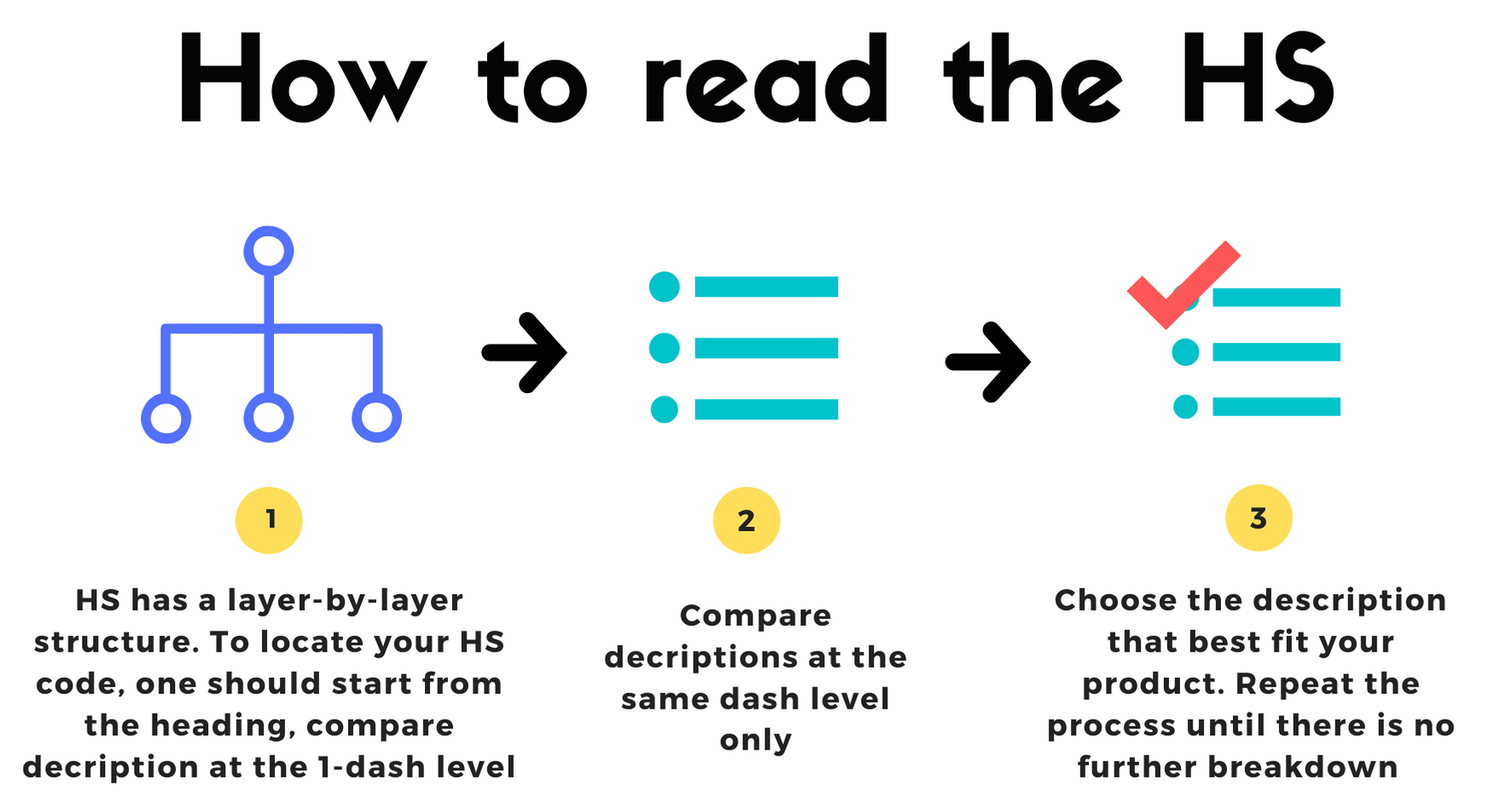
- Be Specific with Subheadings: HS codes are hierarchical. A general heading might be correct, but a more specific subheading will provide greater accuracy and potentially influence duty rates. For example, a "leather handbag" will have a more specific code than a general "leather article."
- Understand "Parts" vs. "Finished Goods": If you are importing or exporting components for accessories, ensure you are using the correct HS code for parts, which will differ from the finished product.
- Stay Updated: HS codes are reviewed and updated periodically. It’s essential to stay informed about any changes that might affect your products.
- Document Everything: Keep meticulous records of your product descriptions, material compositions, and the HS codes you’ve used. This is crucial for audits and future reference.
- Don’t Guess! A wrong HS code for female accessories can lead to costly mistakes. It’s always better to invest time in accurate classification.
The Power of Precision: Why Accurate HS Codes Matter for Your Fashion Business
Getting the HS code for female accessories right isn’t just about avoiding trouble; it’s about empowering your business for global success.
- Streamlined Customs Clearance: Accurate codes ensure your shipments move through customs quickly and efficiently, preventing costly delays that can impact your inventory and customer satisfaction.
- Accurate Duty and Tax Calculations: This prevents overpayment or underpayment of duties and taxes, ensuring financial predictability for your business.
- Compliance and Risk Mitigation: Correct classification demonstrates compliance with international trade regulations, reducing the risk of penalties, fines, and goods being seized.
- Market Research and Analysis: HS codes are used for tracking trade statistics. Accurate coding allows you to analyze market trends, identify opportunities, and understand competitor activity.
- Facilitating Global Expansion: With a solid understanding of HS codes, you can confidently expand your reach to new international markets, opening up exciting opportunities for growth.
FAQs: Your Burning Questions About HS Code for Female Accessories Answered!
Q1: What is the most common HS code for imitation jewelry?
A1: The most common HS code for imitation jewelry is 7117. This code covers a wide range of fashion jewelry made from base metals, plastics, glass, or other non-precious materials.
Q2: How do I classify a handbag made from both leather and fabric?
A2: For mixed-material items like handbags, you generally classify them based on the material that predominates by value or weight, as per the General Rules for the Interpretation of the Harmonized System (GRI). If the leather component is significantly more valuable or heavier than the fabric, it would likely fall under leather handbag codes (e.g., 4202.21). If the fabric predominates, it would fall under fabric handbag codes (e.g., 4202.22). Consulting a customs broker is recommended for definitive classification.
Q3: Are scarves classified differently based on material?
A3: Yes, absolutely. Knitted or crocheted scarves fall under Chapter 61 (e.g., HS Code 6117), while woven scarves fall under Chapter 62 (e.g., HS Code 6214). The specific subheading within these chapters will further differentiate based on the exact textile material (e.g., silk, cotton, wool, synthetic).
Q4: What if I’m exporting handmade accessories? Do they have special HS codes?
A4: Handmade accessories are classified based on their material and function, just like mass-produced items. There aren’t separate HS codes solely for "handmade." However, the craftsmanship and materials used will determine the correct classification within the existing HS system.
Q5: Can I use the same HS code for hair clips and hair combs?
A5: Both hair clips and hair combs, if made of plastic, are often classified under HS Code 3926 (Other articles of plastics and articles of other materials of headings 3901 to 3914), with specific subheadings often detailing these items. However, if they are made of precious metal or imitation materials, their classification would shift to Chapter 71. Always check the detailed subheadings for precision.
Embark on Your Global Style Adventure!
The world of fashion accessories is a boundless realm of creativity and personal expression. By mastering the intricacies of the HS code for female accessories, you are not just navigating customs regulations; you are unlocking a world of opportunity. This knowledge empowers you to connect your beautiful creations with eager customers across the globe, fostering a truly international style celebration. So, embrace the journey, stay informed, and let your fashion business sparkle on the world stage!
Share your experiences with HS codes for female accessories in the comments below! What challenges have you faced, and what tips have worked wonders for you? Let’s build a community of empowered fashion entrepreneurs!