The sparkle of a perfectly crafted necklace, the satisfying weight of a beaded bracelet, the intricate dance of color and texture in a pair of earrings – these are the hallmarks of jewelry that truly captivates. At the heart of every breathtaking piece lies a fundamental element: quality beads for jewelry making. Choosing the right beads isn’t just about aesthetics; it’s about durability, how they feel, how they catch the light, and ultimately, the longevity and sentiment Womens coated denim jeans the ultimate guide to effortless chic of your creations. Forget flimsy, dull, or easily damaged materials; let’s dive into the wonderful world of exceptional beads and discover how they can elevate your jewelry-making journey from good to absolutely spectacular.
The Unseen Magic: Why Quality Beads Matter Immensely
For anyone embarking on the exciting adventure of jewelry making, from seasoned professionals to enthusiastic beginners, the choice of beads is paramount. It’s the foundation upon which your artistry is built. When you invest in quality beads for jewelry making, you’re not just buying components; you’re investing in:
- Durability and Longevity: Cheap beads can chip, fade, or even break with regular wear. Quality beads, on the other hand, are crafted from superior materials, ensuring your creations stand the test of time and become cherished heirlooms.
- Enhanced Aesthetic Appeal: The brilliance of genuine gemstones, the smooth polish of fine glass, the subtle luster of cultured pearls – these characteristics are hallmarks of quality. They reflect light beautifully, adding depth, dimension, and an undeniable richness to your designs.
- Superior Craftsmanship: High-quality beads often exhibit a level of precision in their drilling and finishing. This makes stringing them easier, reduces the risk of thread breakage, and contributes to a more professional and polished final product.
- Sensory Delight: The weight and feel of a well-made bead can significantly impact the overall experience of wearing jewelry. Quality beads often have a satisfying heft and a smooth, pleasant touch against the skin.
- Sentimental Value: Jewelry is often imbued with personal meaning. Using quality beads for jewelry making ensures that the sentiment you pour into your piece is captured in materials that will last, preserving those memories for years to come.
Decoding Bead Excellence: A Material-by-Material Guide
The vast universe of beads offers a dazzling array of choices. Understanding the properties and benefits of different materials is key to selecting the finest components for your next masterpiece.
Precious Gemstones: Nature’s Dazzling Gifts
When we speak of quality beads for jewelry making, precious gemstones often come to mind. These natural wonders, formed over millennia, possess unparalleled beauty and intrinsic value.
Diamonds: The Ultimate Symbol of Brilliance
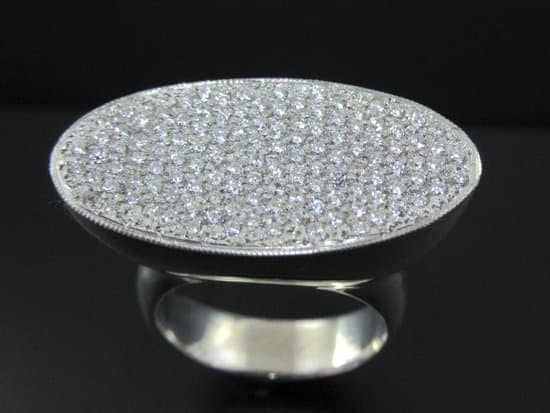
The undisputed king of gemstones, diamonds are prized for their exceptional hardness, brilliance, and fire. For jewelry making, diamonds are often used in smaller, faceted forms for accents, or as statement centerpieces. Their enduring appeal makes them a top choice for investment pieces and gifts that signify lasting love.
- Key Features: Extreme hardness (10 on the Mohs scale), exceptional sparkle, diverse color variations (though colorless is most common).
- Considerations: Cost can be a significant factor. Understanding the "4 Cs" (cut, color, clarity, carat weight) is crucial for informed purchasing.
Rubies: The Gem of Passion and Vitality
With their rich, vibrant red hues, rubies symbolize passion, courage, and vitality. They are a popular choice for adding a touch of warmth and luxury to any design.
- Key Features: Deep red to pinkish-red colors, good hardness (9 on the Mohs scale).
- Considerations: Natural inclusions are common and can affect price and appearance.
Sapphires: The Jewel of Wisdom and Serenity
Sapphires, most famously known for their captivating blue, come in a spectrum of colors (except red, which is a ruby). They represent wisdom, truth, and loyalty, making them ideal for engagement rings and pieces meant to signify steadfast commitment.
- Key Features: Excellent hardness (9 on the Mohs scale), wide color range, good durability.
- Considerations: The intensity and uniformity of color are key determinants of value.
Emeralds: The Enchanting Green of Nature
Emeralds, with their lush green tones, are synonymous with rebirth, love, and new beginnings. Their unique color is a result of chromium and vanadium.
- Key Features: Rich green hues, relatively good hardness (7.5-8 on the Mohs scale).
- Considerations: Emeralds are often treated to enhance their color and fill in fissures, which is a common and accepted practice. However, significant treatments can affect longevity.
Semi-Precious Gemstones: Accessible Elegance
Beyond the "precious" four, a vast world of semi-precious gemstones offers incredible beauty and variety, making them incredibly popular for quality beads for jewelry making.
Amethyst: The Soothing Purple of Calm
This beautiful purple quartz is known for its calming properties and its ability to inspire creativity. Its range of shades, from pale lilac to deep violet, allows for diverse design possibilities.
- Key Features: Violet hues, good hardness (7 on the Mohs scale).
- Considerations: Can fade with prolonged exposure to sunlight.
Garnet: The Deep Red of Energy and Strength
Garnets, often associated with deep red, also come in a variety of other colors. They are believed to bring energy, vitality, and strength to the wearer.
- Key Features: Deep red is most common, good hardness (6.5-7.5 on the Mohs scale).
- Considerations: Certain varieties, like pyrope and almandine, are very popular for jewelry.
Citrine: The Sunny Yellow of Joy and Abundance
Citrine, a golden-yellow variety of quartz, is associated with happiness, optimism, and abundance. Its warm, sunny disposition makes it a cheerful addition to any design.
- Key Features: Yellow to brownish-orange hues, good hardness (7 on the Mohs scale).
- Considerations: Much of the citrine on the market is actually heat-treated amethyst. Natural citrine is rarer.
Turquoise: The Ancient Blue of Protection
This opaque gemstone, with its characteristic blue-green matrix, has been prized for centuries for its beauty and perceived protective qualities.
- Key Features: Blue to green hues with matrix patterns, relatively soft (5-6 on the Mohs scale).
- Considerations: Often stabilized to improve durability and color. Authenticity is crucial.
Lapis Lazuli: The Celestial Blue of Truth
With its intense blue color and sparkling pyrite inclusions, Lapis Lazuli evokes the night sky. It’s historically associated with truth, wisdom, and royalty.
- Key Features: Deep blue with golden pyrite flecks, relatively soft (5-5.5 on the Mohs scale).
- Considerations: Often treated with wax or resin for enhancement.
Pearls: The Timeless Luster of Elegance
Whether natural or cultured, pearls are the epitome of classic elegance. Their soft, iridescent glow adds a touch of sophistication to any piece of jewelry. When choosing quality beads for jewelry making, pearls deserve special attention.
Cultured Pearls: A Modern Marvel
The vast majority of pearls available today are cultured. Through careful cultivation, oysters and mussels produce pearls with remarkable beauty and consistency.
-
Types of Cultured Pearls:
- Akoya Pearls: Known for their perfectly round shape and high luster, typically white or cream-colored.
- Freshwater Pearls: Offer a wide range of shapes, sizes, and colors, often more affordable.
- South Sea Pearls: Among the largest and most lustrous, found in shades of white, cream, silver, and gold.
- Tahitian Pearls: Famous for their dark, exotic hues, including black, gray, green, and blue.
-
Key Quality Factors: Luster (the intensity of light reflected from the surface), surface quality (smoothness and absence of blemishes), shape (round is often most prized), size, and color.
Glass Beads: A Spectrum of Artistic Possibilities
Glass beads offer an incredible range of colors, finishes, and artistic techniques, making them a versatile and beloved choice for quality beads for jewelry making.
Czech Glass Beads: A Legacy of Craftsmanship
Czech glass beads are renowned worldwide for their exceptional quality, intricate designs, and vibrant colors. For centuries, Bohemian artisans have perfected the art of glass bead making.
- Key Features: Uniformity, consistent color, beautiful finishes (matte, iridescent, metallic), wide variety of shapes and sizes.
- Popular Czech Bead Types:
- Seed Beads: Tiny, uniform beads used for intricate patterns, embroidery, and bead weaving.
- Fire-Polished Beads: Faceted glass beads that catch the light beautifully, offering a sparkling alternative to gemstones.
- Druk Beads: Round, pressed glass beads known for their durability and consistent size.
- Rocaille Beads: Similar to seed beads but often slightly larger and less uniform.
Murano Glass Beads: Artistic Masterpieces
Originating from the island of Murano in Venice, Italy, Murano glass beads are true works of art. Each bead is handcrafted using traditional techniques, resulting in unique and exquisite creations.
- Key Features: Swirls of vibrant color, intricate patterns, millefiori designs (tiny mosaic-like patterns), often with a thicker, more substantial feel.
- Considerations: Due to their artisanal nature, they can be more expensive but offer unparalleled beauty.
Swarovski Crystals: The Pinnacle of Sparkle
While technically crystal and not glass, Swarovski crystals are a leading choice for those seeking unparalleled brilliance and sparkle. Their precision cutting and flawless composition make them a favorite for high-end jewelry.
- Key Features: Exceptional clarity, intense sparkle, vast array of colors and shapes, durability.
- Considerations: Often used for accents and focal points due to their high brilliance.
Metal Beads: Adding Structure and Shine
Metal beads provide structure, shine, and a sophisticated metallic element to jewelry designs.
Sterling Silver: Timeless Elegance
Sterling silver is a popular choice for its classic beauty, durability, and hypoallergenic properties.
- Key Features: 92.5% pure silver, lustrous white appearance, versatile for various designs.
- Considerations: Can tarnish over time but can be easily polished. Look for stamped "925" for authenticity.
Gold-Filled and Gold-Plated Beads: Affordable Luxury
These options offer the look of gold at a more accessible price point.
- Gold-Filled: A thick layer of gold mechanically bonded to a base metal. More durable than gold-plated.
- Gold-Plated: A thin layer of gold electroplated onto a base metal. Less durable and prone to wear.
Base Metal Beads: A Wide Range of Finishes
Beads made from brass, copper, pewter, and other alloys are often plated with finishes like antique brass, copper, silver, or even rhodium for a durable shine.
- Key Features: Wide variety of finishes and styles, generally more affordable.
- Considerations: Quality can vary significantly. Look for lead-free and nickel-free options for safety.
Wood and Seed Beads: Natural Textures and Earthy Tones
For a more organic and bohemian aesthetic, wood and seed beads are excellent choices.
Wooden Beads: Earthy Charm
Available in a multitude of wood types, colors, and finishes, wooden beads offer a warm, natural feel.
- Key Features: Lightweight, diverse textures, eco-friendly options.
- Considerations: Can be polished, painted, or left natural.
Seed Pods and Natural Seeds: Unique Organic Elements
Beads crafted from dried seed pods, nuts, or various seeds offer a truly unique and earthy appeal.
- Key Features: Organic shapes and textures, sustainable.
- Considerations: Can be delicate; ensure they are sealed or treated for durability.
Beyond the Material: Essential Quality Indicators
When selecting quality beads for jewelry making, consider these crucial indicators:
- Uniformity and Consistency: Are the beads uniform in size, shape, and color? This is especially important for seed beads and when creating symmetrical designs.
- Drill Hole Size and Placement: A clean, well-centered drill hole makes stringing much easier and prevents thread breakage.
- Surface Finish: Is the surface smooth and free of chips, cracks, or rough patches?
- Color Saturation and Depth: Do the colors appear rich and vibrant, or are they dull and faded?
- Luster and Sparkle: Does the bead reflect light beautifully, or does it appear flat?
- Weight and Feel: Quality beads often have a satisfying weight and a smooth, pleasant feel.
- Source and Reputation: Purchase from reputable suppliers who specialize in high-quality jewelry-making supplies. Look for certifications or detailed product descriptions.
Tips for Sourcing Stellar Beads
Embarking on your bead-finding adventure can be as exciting as the making itself!
- Online Bead Retailers: Many dedicated online stores offer an extensive selection of quality beads for jewelry making. Read reviews, check product descriptions carefully, and compare prices.
- Local Bead Shops: Visiting a local bead store allows you to see and feel the beads in person. The knowledgeable staff can also offer valuable advice.
- Gemstone Shows and Craft Fairs: These events can be fantastic places to discover unique, handcrafted beads and connect directly with artisans.
- Wholesale Suppliers: If you plan to make jewelry in larger quantities, consider purchasing from wholesale suppliers for better pricing.
The Joy of Creation: Making with Quality Beads
The act of creating jewelry is a deeply rewarding experience. When you work with quality beads for jewelry making, you imbue your creations with a sense of pride and confidence. You know that the materials you’ve chosen will not only look stunning but will also endure, becoming pieces that are cherished and worn for years to come.
Imagine the joy of gifting a necklace crafted with lustrous pearls, or a bracelet adorned with vibrant, ethically sourced gemstones. These are not just accessories; they are tangible expressions of love, care, and artistry. So, whether you’re drawn to the deep allure of sapphires, the dazzling sparkle of Czech glass, or the organic beauty of wooden beads, remember that the foundation of your masterpiece lies in the quality beads for jewelry making you select.
Embrace the festive spirit of creation, let your imagination run wild, and unlock the extraordinary potential that lies within each meticulously chosen bead. Your next breathtaking creation awaits!
Frequently Asked Questions About Quality Beads for Jewelry Making
Q1: What makes a bead "quality"?
A1: Quality in beads is determined by factors like material integrity (e.g., genuine gemstones, high-grade glass), durability, consistent size and shape, smooth finish, vibrant color saturation, and good drill hole precision.
Q2: Are expensive beads always better?
A2: Not necessarily. While precious gemstones and rare materials are inherently more costly, excellent quality can be found in more affordable options like well-made Czech glass or freshwater pearls. Value is about the combination of beauty, durability, and craftsmanship for the price.
Q3: How can I tell if glass beads are high quality?
A3: High-quality glass beads, such as Czech glass, will have uniform shapes, consistent colors, smooth surfaces, and clean drill holes. They often have a satisfying weight and a beautiful luster or finish.
Q4: What is the difference between gold-filled and gold-plated beads?
A4: Gold-filled beads have a much thicker layer of gold bonded to a base metal, making them more durable and less likely to wear off than gold-plated beads, which have a thin electroplated layer.
Q5: Where can I find trustworthy suppliers for quality beads for jewelry making?
A5: Look for reputable online bead retailers, well-established local bead stores, and trusted gemstone wholesalers. Check for customer reviews, detailed product descriptions, and a commitment to quality.
Q6: Are there any ethical considerations when buying gemstones?
A6: Yes, especially with precious gemstones. Look for suppliers who adhere to ethical sourcing practices and can provide information about the origin and treatments of their stones. Fair trade and conflict-free sourcing are increasingly important.