What are computer accessories called? They’re the unsung heroes of our digital lives, the crucial companions that transform a bare-bones computer into a powerhouse of productivity, entertainment, and creativity. Without them, our powerful machines would feel rather lonely and limited! Think of them as the festive decorations that make a house a home, or the essential ingredients that turn a simple meal into a culinary masterpiece. These incredible add-ons aren’t just optional extras; they are integral to unlocking the full potential of our computers, making our experiences smoother, more efficient, and undeniably more enjoyable.
In today’s tech-saturated world, understanding the terminology surrounding our digital tools is more important than ever. From the seasoned tech enthusiast to the curious beginner, grasping the various names and functions of computer accessories can demystify the world of computing and empower you to make informed choices. So, let’s embark on a delightful journey to explore the vibrant landscape of computer accessories, discovering what they are called and why they are so wonderfully important!
The Glorious Spectrum: Understanding Computer Accessory Nomenclature
When we talk about what are computer accessories called, it’s a broad and encompassing term. Essentially, any hardware device that connects to and enhances the functionality of a computer but is not part of its core processing unit (like the CPU or motherboard) can be considered an accessory. These items range from the utterly indispensable to the delightfully niche, each playing a vital role in shaping our interaction with technology.
We can broadly categorize computer accessories into several key areas, each with its own fascinating vocabulary. This helps us not only understand what they are called but also appreciate their specific contributions.
Input Devices: Bringing Your Ideas to Life
Input devices are our primary means of communicating with our computers. They are the conduits through which we translate our thoughts, commands, and creative visions into digital reality.
Keyboards: The Rhythmic Foundation
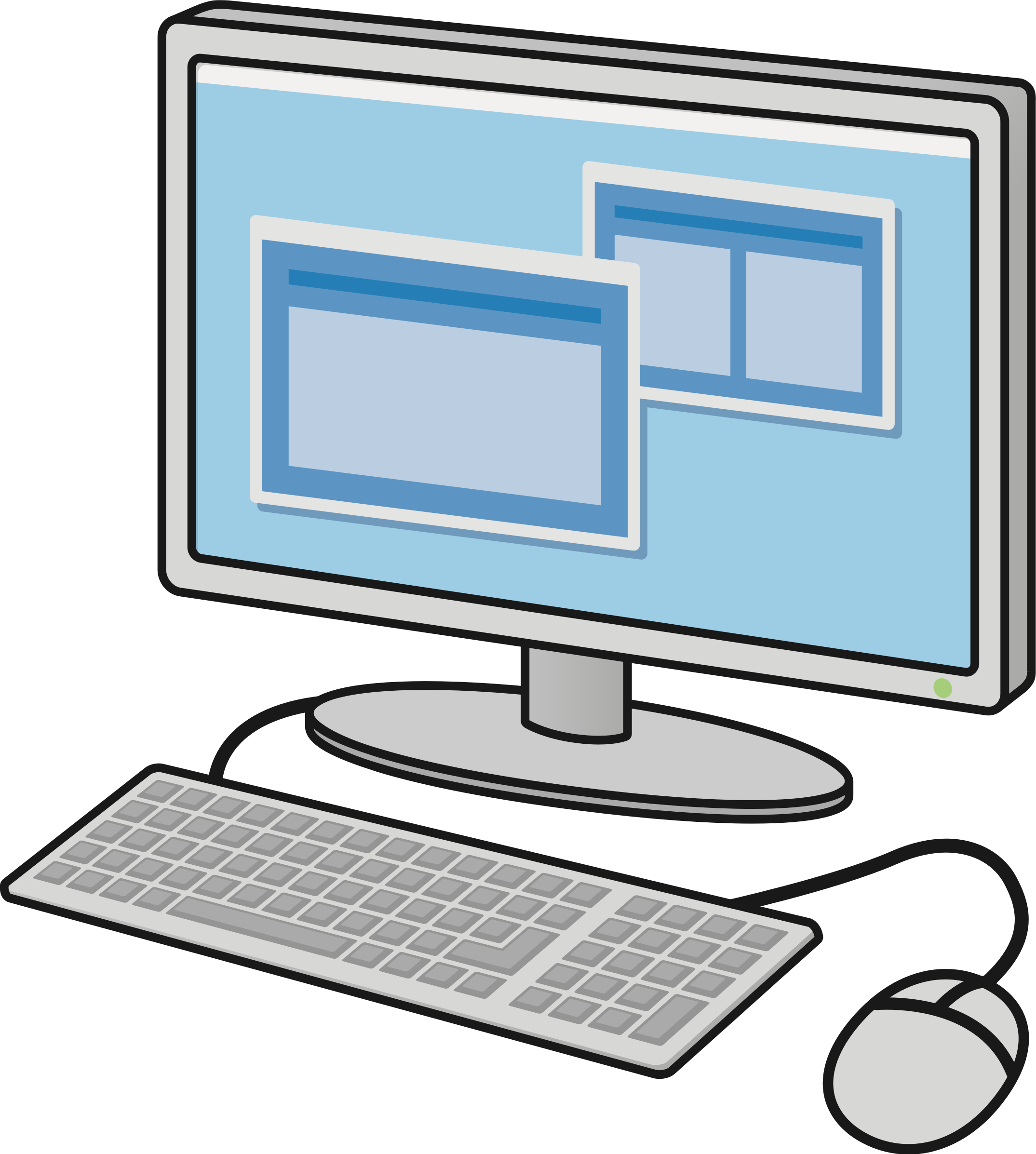
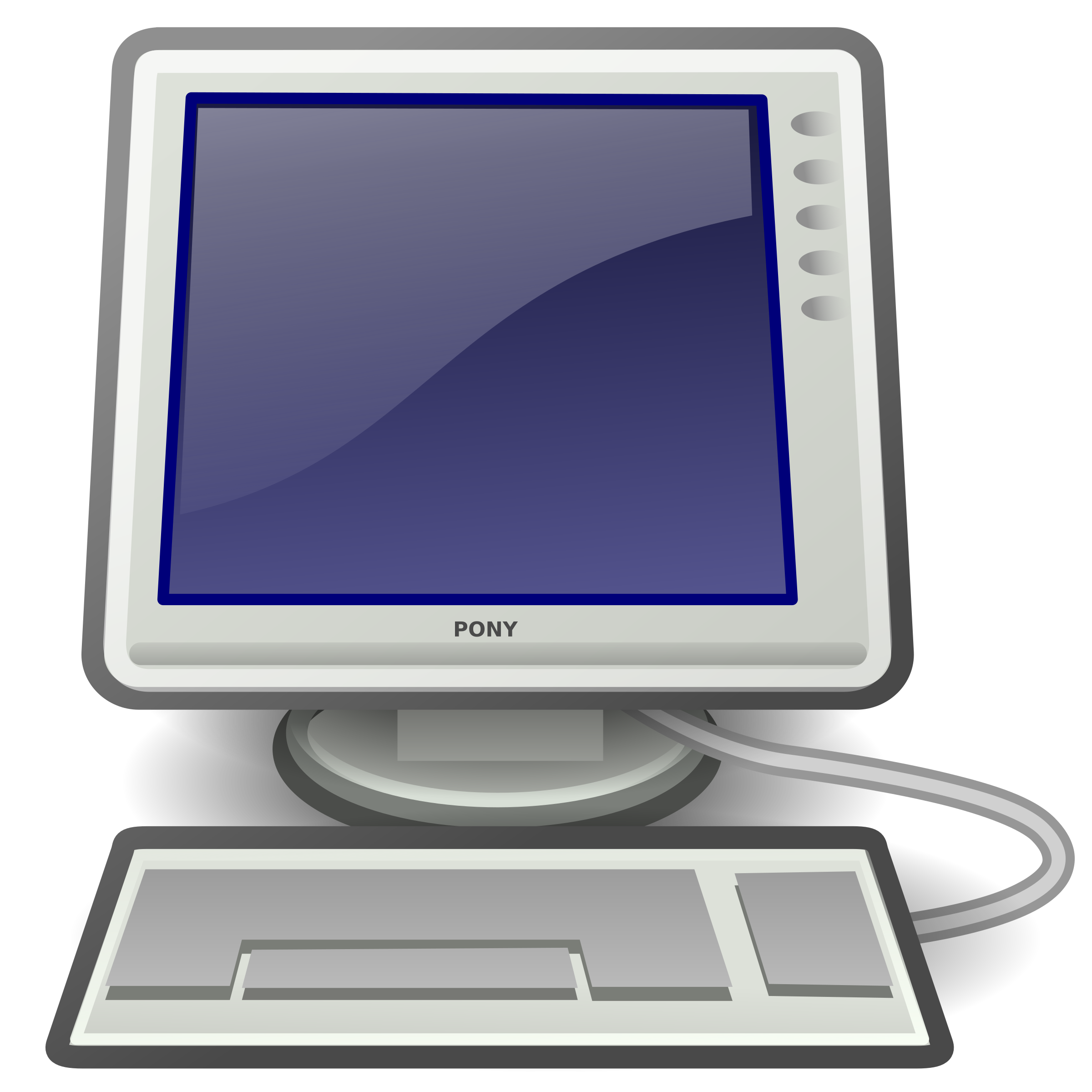
Perhaps the most iconic computer accessory, the keyboard is where our digital stories begin. What are computer accessories called if they allow us to type? They are called keyboards! From the satisfying click of mechanical switches to the whisper-quiet glide of chiclet keys, keyboards offer a tactile and intuitive way to enter text, execute commands, and navigate our digital environments.
- Types of Keyboards:
- Standard/Full-Size Keyboards: Offering a complete set of keys, including a numeric keypad, these are ideal for extensive typing and data entry.
- Ergonomic Keyboards: Designed to promote a natural hand and wrist posture, these keyboards can significantly reduce strain during long computing sessions.
- Gaming Keyboards: Often featuring customizable backlighting, programmable macro keys, and enhanced responsiveness, these are built for the demands of competitive gaming.
- Compact/Tenkeyless (TKL) Keyboards: Omitting the numeric keypad, these offer a smaller footprint, ideal for saving desk space.
- Wireless Keyboards: Offering freedom from cables, these connect via Bluetooth or USB dongles for a clutter-free setup.
Mice: The Precise Pointer
The mouse, another cornerstone of computer interaction, allows us to point, click, drag, and drop with unparalleled precision. What are computer accessories called that help us navigate the screen with swift accuracy? They are called mice! Their evolution from simple ball-based mechanisms to sophisticated optical and laser sensors has revolutionized how we interact with graphical user interfaces.
- Types of Mice:
- Optical Mice: Using an LED light to track movement, these are common, reliable, and work well on most surfaces.
- Laser Mice: Employing a laser beam for tracking, these offer higher precision and can often track on more challenging surfaces like glass.
- Trackball Mice: Instead of moving the entire device, a ball is rotated with the thumb or finger to control the cursor, saving desk space and reducing wrist movement.
- Gaming Mice: Similar to gaming keyboards, these often boast high DPI (dots per inch) for sensitivity, programmable buttons, and ergonomic designs for extended use.
- Wireless Mice: Providing cable-free convenience, these connect via Bluetooth or USB receivers.
Other Input Devices: Expanding the Possibilities
Beyond keyboards and mice, a world of specialized input devices exists to cater to diverse needs:
- Webcams: Essential for video conferencing, online learning, and content creation, webcams allow us to share our visual presence.
- Microphones: Crucial for clear communication in calls, recording audio, podcasting, and voiceovers.
- Scanners: Used to digitize physical documents, photos, and artwork, bringing them into the digital realm.
- Graphics Tablets (Drawing Tablets): A dream for artists and designers, these allow for natural drawing and painting input with a stylus.
- Joysticks and Game Controllers: For immersive gaming experiences, these offer tactile control over in-game actions.
- Touchscreens: While increasingly integrated into laptops and monitors, standalone touchscreen devices also function as input accessories.
Output Devices: Visualizing and Hearing Your Digital World
Output devices are how our computers communicate information back to us, transforming digital data into tangible forms like images, sound, and even printed pages.
Monitors: The Window to Your Digital Realm
The monitor is arguably the most significant output accessory, providing the visual canvas for all our digital activities. What are computer accessories called that display our work, entertainment, and everything in between? They are called monitors! Their size, resolution, refresh rate, and color accuracy all contribute to the quality of our viewing experience.
- Types of Monitors:
- LCD (Liquid Crystal Display) Monitors: The most common type, offering good picture quality and energy efficiency.
- LED (Light Emitting Diode) Monitors: A type of LCD monitor that uses LEDs for backlighting, resulting in thinner designs and improved contrast.
- OLED (Organic Light Emitting Diode) Monitors: Offering superior contrast ratios, true blacks, and vibrant colors, OLED technology is becoming increasingly popular.
- Gaming Monitors: Featuring high refresh rates (144Hz, 240Hz, or more) and low response times for fluid motion in games.
- Ultrawide Monitors: With aspect ratios wider than standard 16:9, these offer an expansive field of view for multitasking and immersive entertainment.
Speakers and Headphones: The Sound of Success (and Fun!)
Audio output devices are essential for enjoying multimedia, communicating effectively, and immersing ourselves in games and music. What are computer accessories called that deliver sound? They are called speakers and headphones!
- Speakers: From compact desktop speakers to powerful surround sound systems, they fill your space with audio.
- Headphones: Offering a personal audio experience, they range from comfortable over-ear designs to discreet earbuds. Noise-canceling technology is a sought-after feature for focused listening.
Printers and Scanners: Bridging the Digital and Physical Divide
While scanners are input devices, printers are their output counterparts, allowing us to bring our digital creations into the physical world.
- Printers: Whether for crisp documents, vibrant photos, or even 3D objects, printers are vital for hard copies.
- Inkjet Printers: Ideal for home use, offering good color reproduction for photos and documents.
- Laser Printers: Known for speed and crisp text, making them excellent for office environments and high-volume printing.
- 3D Printers: Revolutionizing manufacturing and prototyping, these create three-dimensional objects layer by layer.
Storage Devices: Preserving Your Digital Memories and Creations
Without storage, our digital lives would be fleeting. Storage devices are where we keep our operating systems, applications, documents, photos, and everything else we cherish. What is a computer accessory unlocking your digital potential What are computer accessories called that safeguard our digital treasures? They are called storage devices!
Internal Storage: The Heartbeat of Your System
While often integrated into the computer itself, internal storage devices are crucial accessories that determine your computer’s capacity and speed.
- Hard Disk Drives (HDDs): Traditional spinning disk drives offering large capacities at a lower cost per gigabyte.
- Solid State Drives (SSDs): Significantly faster than HDDs due to their flash memory technology, SSDs dramatically improve boot times and application loading speeds.
External Storage: Expanding Your Digital Horizon
External storage devices offer a convenient way to back up data, transfer files, and expand your computer’s storage capacity without opening the case.
- External Hard Drives (HDDs and SSDs): Portable units offering ample storage for backups and large file transfers.
- USB Flash Drives (Thumb Drives/Pen Drives): Small, portable storage devices perfect for carrying files between computers.
- Memory Cards: Used in cameras, smartphones, and other portable devices, these can also be read by computers via card readers.
- Network Attached Storage (NAS) Devices: Dedicated storage solutions that connect to your network, allowing multiple users to access files and providing centralized backups.
Connectivity and Networking Accessories: Staying Connected
In our interconnected world, accessories that facilitate communication and network access are indispensable.
Modems and Routers: The Gateway to the Internet
These are the essential devices that allow your computer to connect to the internet and your local network. What are computer accessories called that enable us to surf the web and connect to our home networks? They are called modems and routers!
- Modems: Translate digital signals from your computer into analog signals for transmission over phone lines or cable, and vice versa.
- Routers: Create a local network, allowing multiple devices to share a single internet connection and communicate with each other.
Network Adapters and Dongles: Enhancing Connectivity
- Wi-Fi Adapters: If your computer lacks built-in Wi-Fi, a USB Wi-Fi adapter can provide wireless connectivity.
- Ethernet Cables: For a stable and fast wired internet connection, Ethernet cables are essential.
- Bluetooth Dongles: Enable wireless communication between your computer and Bluetooth-enabled devices like headphones, speakers, and keyboards.
Power and Protection Accessories: Keeping Your Tech Safe and Running
Ensuring your computer has a stable power supply and is protected from surges is crucial for its longevity and your peace of mind.
Power Supplies and Surge Protectors: Safeguarding Your Investment
- Uninterruptible Power Supplies (UPS): Provide a battery backup during power outages, allowing you to save your work and safely shut down your computer.
- Surge Protectors: Shield your devices from damaging power surges and spikes.
Batteries and Chargers: Powering Portability
- Laptop Batteries: Replacements or extended-life batteries for laptops.
- Power Adapters/Chargers: Essential for keeping laptops and other portable devices powered up.
Peripherals and Other Enhancements: Customizing Your Experience
This category encompasses a wide array of accessories that enhance comfort, productivity, and entertainment.
Ergonomic Accessories: Prioritizing Your Well-being
- Wrist Rests: Provide support for your wrists while typing, reducing strain.
- Footrests: Improve posture and comfort during long computer sessions.
- Monitor Stands/Risers: Elevate your monitor to an ergonomic viewing height.
Cleaning Supplies: Maintaining Peak Performance
- Screen Cleaners: Specialized solutions for safely cleaning monitor screens.
- Compressed Air: For dusting keyboards, vents, and other hard-to-reach areas.
- Microfiber Cloths: Gentle and effective for wiping down surfaces without scratching.
Cable Management Solutions: Taming the Tech Tangle
- Cable Sleeves, Ties, and Organizers: Help keep your workspace tidy and prevent cable clutter.
The Ever-Evolving Landscape of Computer Accessories
The world of computer accessories is a vibrant and ever-evolving one. As technology advances, new and innovative peripherals emerge, constantly redefining what’s possible. From augmented reality headsets to advanced biometric scanners, the accessories of tomorrow are already taking shape.
When you consider what are computer accessories called, remember that each one plays a vital role in tailoring your computing experience to your unique needs and preferences. They are the building blocks that allow us to personalize our digital environments, optimize our workflows, and unlock new avenues of creativity and connection.
Conclusion: Embracing the Power of Peripherals!
So, to answer the question, what are computer accessories called? They are called keyboards, mice, monitors, speakers, storage drives, routers, and a myriad of other fantastic devices that empower us to do more, experience more, and create more with our computers. They are the essential complements that transform a functional machine into a personalized portal to the digital universe.
Don’t underestimate the impact of these tech companions! Investing in the right accessories can significantly enhance your productivity, comfort, and overall enjoyment of computing. So, the next time you’re looking to upgrade your setup or simply want to make your daily digital interactions more delightful, explore the wonderful world of computer accessories. You might just discover a new favorite tool that revolutionizes the way you work, play, and connect!
Share your favorite computer accessory in the comments below! What’s one accessory you can’t live without?
Frequently Asked Questions (FAQ)
Q1: What is the most essential computer accessory?
A1: While it depends on usage, a keyboard and mouse are generally considered the most essential input accessories for most users. A monitor is crucial for visual output.
Q2: Are computer accessories considered hardware?
A2: Yes, computer accessories are a type of hardware that connects to and enhances the functionality of a computer.
Q3: Where can I buy computer accessories?
A3: Computer accessories can be purchased from major electronics retailers, online marketplaces, and directly from manufacturer websites.
Q4: How do I know which computer accessories are compatible with my computer?
A4: Compatibility often depends on the ports available on your computer (e.g., USB, HDMI, Thunderbolt) and the operating system you are using. Product descriptions usually specify compatibility.
Q5: Can computer accessories improve my computer’s performance?
A5: Some accessories, like SSDs (for storage) or faster network adapters, can directly improve performance. Others, like ergonomic accessories, improve user experience and comfort, indirectly contributing to productivity.